Most people who need a 3D printed part do not have a 3D file. They have a broken bracket, a napkin sketch, a competitor’s product, or an idea. “3D design services” is the bridge between that and a file a printer can run, and it is the part of the process that is hardest to find honest information about. This guide explains what a design engagement actually involves, what it costs, what you get back, and how to prepare so the hours go into the part rather than into guessing.
Hourly CAD work at $125/hr, estimated before you commit. You send measurements, photos or the physical part; you get back an editable STEP file plus a print-ready STL, and an instant print quote on the result. Simple parts take an hour or two.
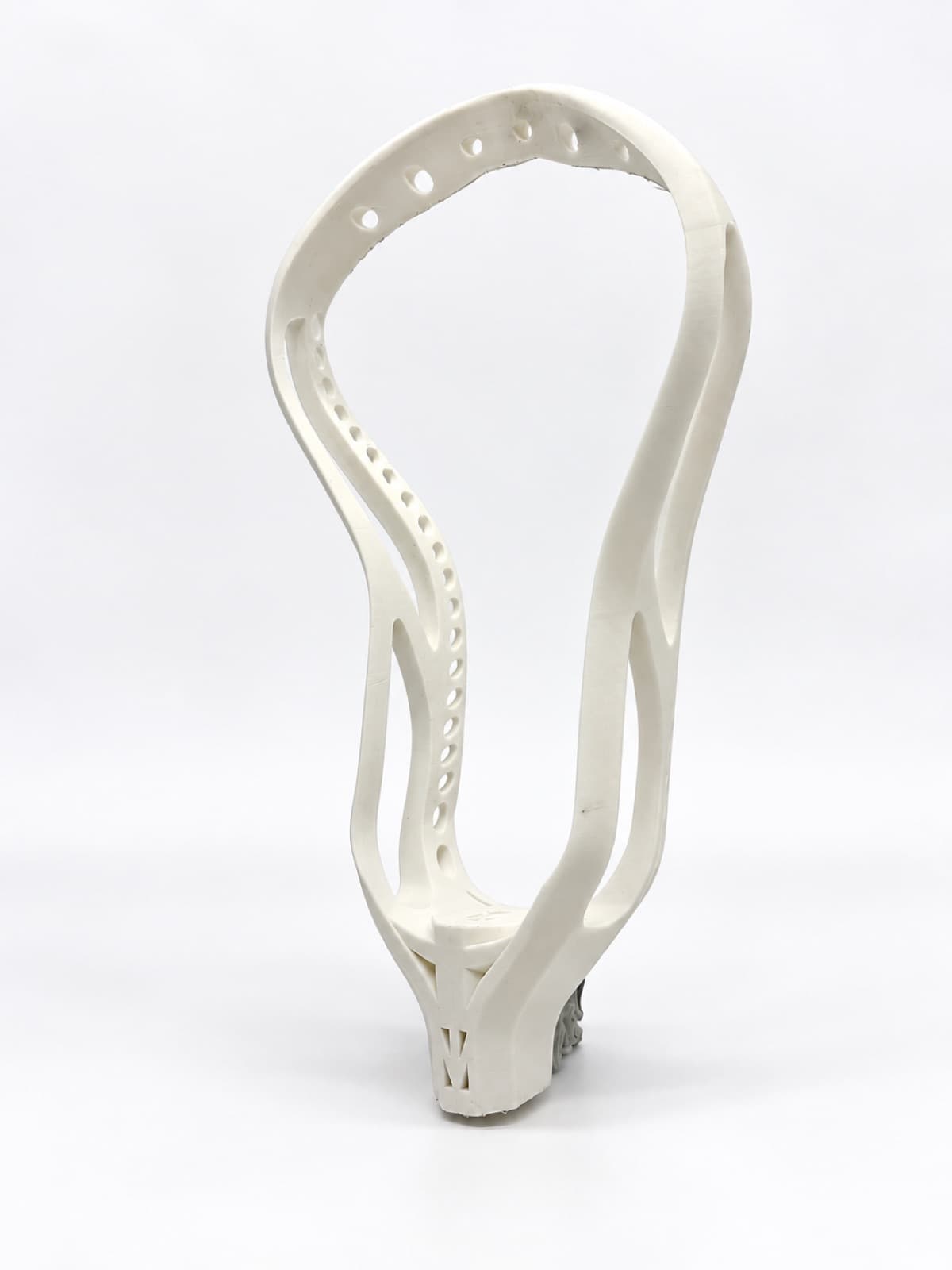
What a 3D design service actually does
“3D design” covers three quite different jobs, and knowing which one you need changes both the price and who should do it:
- Modeling from a sketch or spec. You know what the part should be; it needs to exist as geometry. This is the fastest kind of work because the decisions are already made.
- Reverse engineering a physical part. A discontinued knob, a cracked housing, an adapter nobody sells. We measure it, or 3D scan it, then rebuild it as clean parametric CAD rather than a lumpy mesh.
- Design for 3D printing. Taking a model that exists, perhaps one built for machining or molding, and reworking it so it prints well: orientation, wall thickness, insert bosses, splitting oversize parts, removing the need for supports.
Our CAD design service does all three. The design consultation is the lighter option when you have a model and want it reviewed before a production run rather than rebuilt.
What it costs, and why hourly beats fixed-price for small parts
We bill design at $125 per hour with a one-hour minimum, estimated up front and paid before work starts. Fixed-price design sounds safer but in practice means the quote is padded for the worst case. Hourly with an estimate means a two-hour bracket costs two hours. Typical ranges we see:
| Job | Typical effort | What drives it |
|---|---|---|
| Simple bracket, spacer, adapter | 1–2 hours | Number of mating dimensions |
| Replacement part from a sample | 2–4 hours | Complexity of the surfaces, need for scanning |
| Enclosure with lid, bosses, cutouts | 4–8 hours | Number of components it must fit |
| Multi-part assembly or mechanism | 1–3 days | Tolerances, moving parts, revisions |
The print itself is quoted separately and instantly: once the model exists it goes into the quote tool like any other file, priced at the published per-material rates.
How to brief a designer so it takes one round, not four
Design hours disappear into ambiguity. Every question we have to ask and wait on is time you pay for. The brief that gets a part right first time contains:
- The mating parts, with real measurements. Calipers beat a ruler. If the part bolts to something, tell us the bolt size and hole spacing. If you can ship us the mating part, better still.
- Photos from three sides with something for scale in frame.
- What the part has to survive. Load, temperature, outdoors, chemicals. That decides the material, and the material decides wall thickness. The materials guide is the reference.
- Which dimensions are critical and which are not. “Must fit a 25.4 mm tube” is critical; the outside shape usually is not.
- Quantity. A one-off and a run of 200 get designed differently; the low-volume manufacturing guide explains why.
What you get back
Two files, and you own both. A STEP file, which is the editable engineering model any CAD package can open, so you are never locked to us. And a print-ready STL or 3MF, already checked for the mesh errors described in the STL preparation guide. If we are also printing the part, we skip the export round-trip entirely; the model goes straight to the farm.
For anything with threads we design in heat-set insert bosses by default, because printed threads strip and inserts do not.
Design decisions that make or break a printed part
A model that is correct is not the same as a model that prints well. These are the things a designer who runs a print farm does without being asked, and a generalist often does not:
- Orientation is decided at design time. Layer lines are the weak direction. A hook that will be loaded in bending gets modeled so it prints with layers across the load, not along it.
- Walls in nozzle-width multiples. 0.8, 1.2, 1.6, 2.0 mm on a 0.4 mm nozzle. In-between values print slowly and weakly.
- Self-supporting angles. Overhangs under 45° print without supports; chamfers replace fillets on downward-facing edges.
- Tolerances for the process. A hole modeled at 6.0 mm prints closer to 5.8. We compensate in the model for the material, which is why a PET-CF part and a TPU part get different clearances for the same fit.
- Splitting oversize parts with alignment features and dowel pockets when a part exceeds the build volume, rather than hoping.
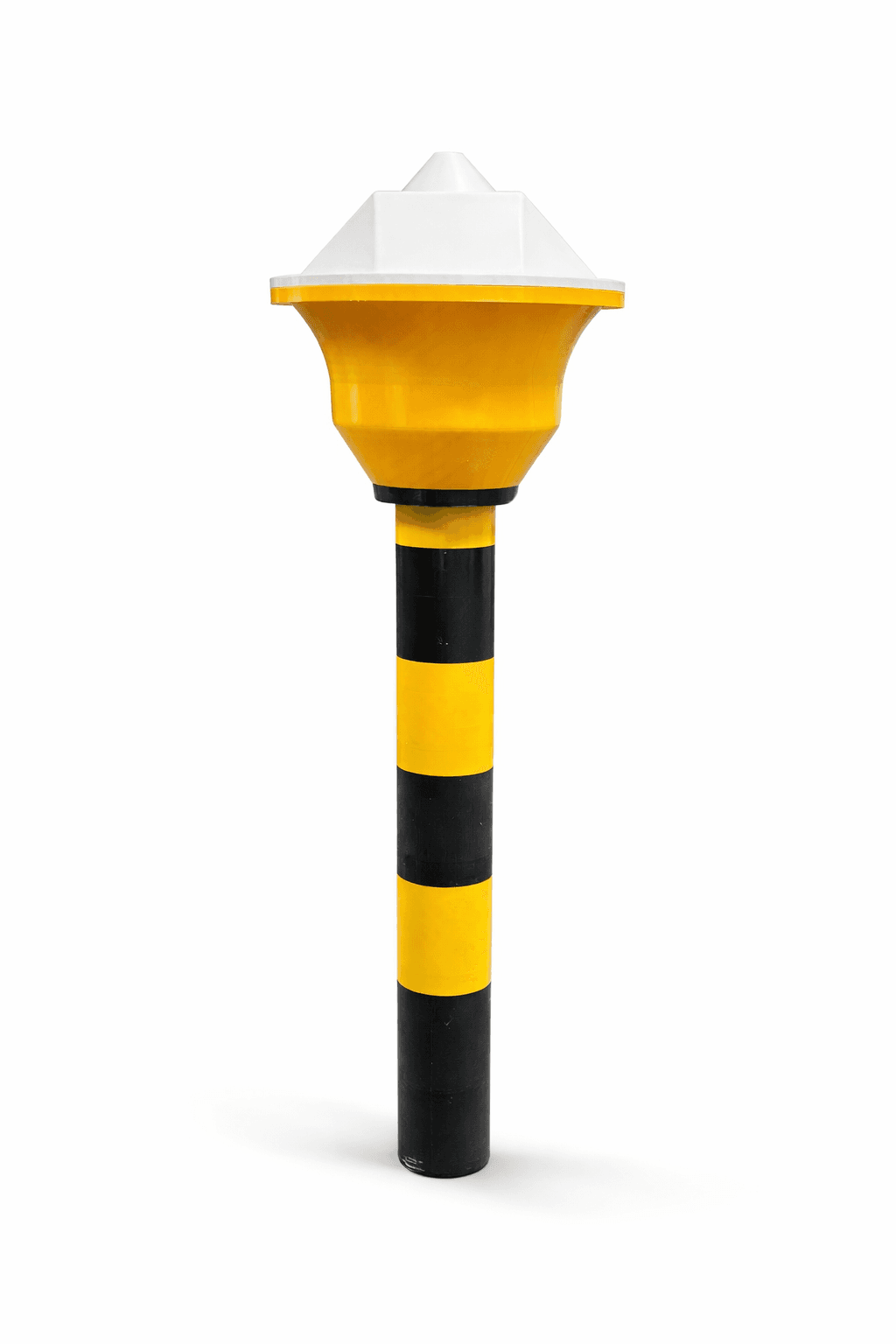
Reverse engineering: sample to CAD
Bringing us a physical part is often the fastest brief there is. Small, simple parts get measured with calipers and rebuilt as parametric CAD in an hour or two. Organic or complex shapes go through our 3D scanning service first, which captures the surface, and then get rebuilt as clean geometry rather than printed as a raw scan mesh. The difference matters: a rebuilt model can be edited, scaled and dimensioned; a scan mesh cannot. Common jobs are discontinued appliance and automotive parts, industrial equipment spares, and fixtures that were only ever made once.
When you do not need a designer
If you already have a decent model and just want to know whether it will print, you do not need design hours; upload it to the quote tool, which flags the common problems, and read the 3D printing service page for what we check. If you want a second set of eyes before a run, that is the consultation, which is shorter and cheaper than a redesign.
Frequently asked questions
How much do 3D design services cost?
TAKT 3D bills CAD work at $125 per hour with a one-hour minimum, estimated up front and paid before work starts. A simple bracket or adapter is typically an hour or two; a multi-part enclosure is a day or more.
What do I need to provide for a 3D design?
Whatever you have: a sketch with dimensions, photos of the part it mates with, the physical part itself, or a rough model. The more real measurements you supply, the fewer revision rounds it takes.
What files do I get back?
A STEP file you own and can edit in any CAD package, plus a print-ready STL or 3MF. If we print the part, the model goes straight into the quote tool with no re-export.
Can you copy an existing part?
Yes, within the limits of the law: replacement parts, discontinued components and your own designs are routine. We measure by hand or 3D scan, then rebuild the geometry as clean parametric CAD.
Bottom line
A 3D design service is worth paying for when it removes revision rounds, not when it adds them. Bring measurements, photos and the constraints that matter, expect an estimate in hours rather than a mystery number, and insist on getting the editable STEP file back. Then the print is the easy part.